Certified Allergy & Asthma Consultants

All locations will be closed on Monday, May 25th to celebrate Memorial Day.

Pediatric Allergy Treatment in the Capital Region

Allergies are common in children and can affect the skin, respiratory system, digestive system, or immune response. While some children experience mild symptoms, others may develop more significant allergic reactions that interfere with sleep, school performance, and daily activities.

At Certified Allergy & Asthma Consultants, we help families throughout New York’s Capital Region identify the causes of pediatric allergies and develop personalized treatment plans to help children manage their symptoms safely.

Pediatric allergies occur when a child’s immune system reacts to substances that are normally harmless, such as pollen, dust mites, foods, or pet dander. The immune system mistakenly identifies these substances — called allergens — as dangerous and releases chemicals that cause allergy symptoms.

Because allergies can appear at different ages and affect children in different ways, early evaluation and treatment can help improve comfort and prevent complications.

What are Pediatric Allergies

Pediatric allergies refer to allergic conditions that occur in infants, children, and adolescents. These conditions develop when the immune system reacts to allergens encountered through inhalation, ingestion, skin contact, or insect stings.

Children may experience several different types of allergic conditions, including:

  • Environmental allergies (pollen, dust mites, mold, pet dander)
  • Food allergies
  • Skin allergies such as eczema
  • Allergic asthma
  • Insect sting allergies
  • Medication allergies

Many children with allergies also have a family history of allergic conditions such as asthma, eczema, or hay fever. Allergies are very common in childhood — in the United States, more than one quarter of children have at least one diagnosed allergic condition.

Common Symptoms of Pediatric Allergies

Allergy symptoms in children can vary depending on the allergen and the type of reaction.

Nasal and Sinus Symptoms

  • Sneezing
  • Runny or stuffy nose
  • Postnasal drip
  • Itchy nose or throat

Eye Symptoms

  • Red, itchy, or watery eyes


Skin Symptoms

  • Eczema or dry, itchy skin
  • Hives or skin rashes

Respiratory Symptoms

  • Coughing
  • Wheezing
  • Shortness of breath


Digestive Symptoms (often related to food allergies)

  • Abdominal pain
  • Nausea or vomiting
  • Diarrhea

In some cases, children may experience anaphylaxis, a severe allergic reaction that requires immediate medical treatment.

Common Allergy Triggers in Children

Children can react to a variety of allergens in their environment. Some of the most common triggers include:

Environmental Allergens

  • Pollen from trees, grasses, and weeds
  • Dust mites
  • Mold spores
  • Pet dander

Food Allergens

  • Milk
  • Eggs
  • Peanuts
  • Tree nuts
  • Soy
  • Wheat
  • Fish and shellfish
  • Sesame


Exposure to these allergens can cause symptoms such as sneezing, itchy eyes, skin rashes, or breathing problems.

How Pediatric Allergies Are Diagnosed

Diagnosing allergies in children requires careful evaluation of symptoms and potential triggers. At Certified Allergy & Asthma Consultants, evaluation may include:

  • Detailed review of the child’s medical history
  • Discussion of symptoms and possible environmental exposures
  • Allergy skin testing
  • Blood testing when appropriate

These tests help identify specific allergens that may be causing a child’s symptoms and guide treatment decisions.

Managing Pediatric Allergies

Managing allergies in children often involves a combination of environmental controls and medical treatment.

Helpful strategies may include:

Reducing Allergen Exposure

  • Limiting exposure to known triggers
  • Maintaining a clean indoor environment
  • Using protective covers for bedding when dust mites are present

Lifestyle Adjustments

  • Monitoring outdoor pollen levels during allergy season
  • Washing hands and changing clothes after outdoor play


Education and Awareness

  • Teaching children and caregivers how to recognize allergy symptoms
  • Informing schools or childcare providers about allergies

These strategies can help reduce symptoms and improve a child’s overall comfort and well-being.

Medical Treatment for Pediatric Allergies

When symptoms persist despite environmental control measures, medical treatment may be recommended.

Treatment options may include:

Medications

  • Antihistamines to reduce itching and sneezing
  • Nasal corticosteroid sprays to reduce inflammation
  • Asthma medications when respiratory symptoms are present

Allergy Immunotherapy

  • For children with persistent environmental allergies, allergy immunotherapy (allergy shots) may help gradually reduce sensitivity to allergens over time. Allergen immunotherapy may also decrease the risk of developing allergic asthma.


Your allergist will determine the most appropriate treatment based on the child’s symptoms and allergy testing results.
Quick Links

Need Help? Call Us At

(518) 434-1446

Our staff can help you get started

Frequently Asked Questions About Pediatric Allergies


What causes allergies in children?
Allergies occur when a child’s immune system reacts to harmless substances such as pollen, foods, dust mites, or pet dander.

Are allergies hereditary?
Children with parents who have allergies are more likely to develop allergic conditions themselves.

Can children outgrow allergies?
Some children outgrow certain allergies — particularly milk or egg allergies — while others may persist into adulthood.

When should my child see an allergist?
If your child has persistent allergy symptoms, frequent sinus or respiratory problems, or suspected food allergies, evaluation by an allergist can help identify triggers and guide treatment.

Can allergies affect school performance?
Yes. Allergy symptoms can interfere with sleep and concentration, sometimes leading to fatigue and reduced focus during school activities.

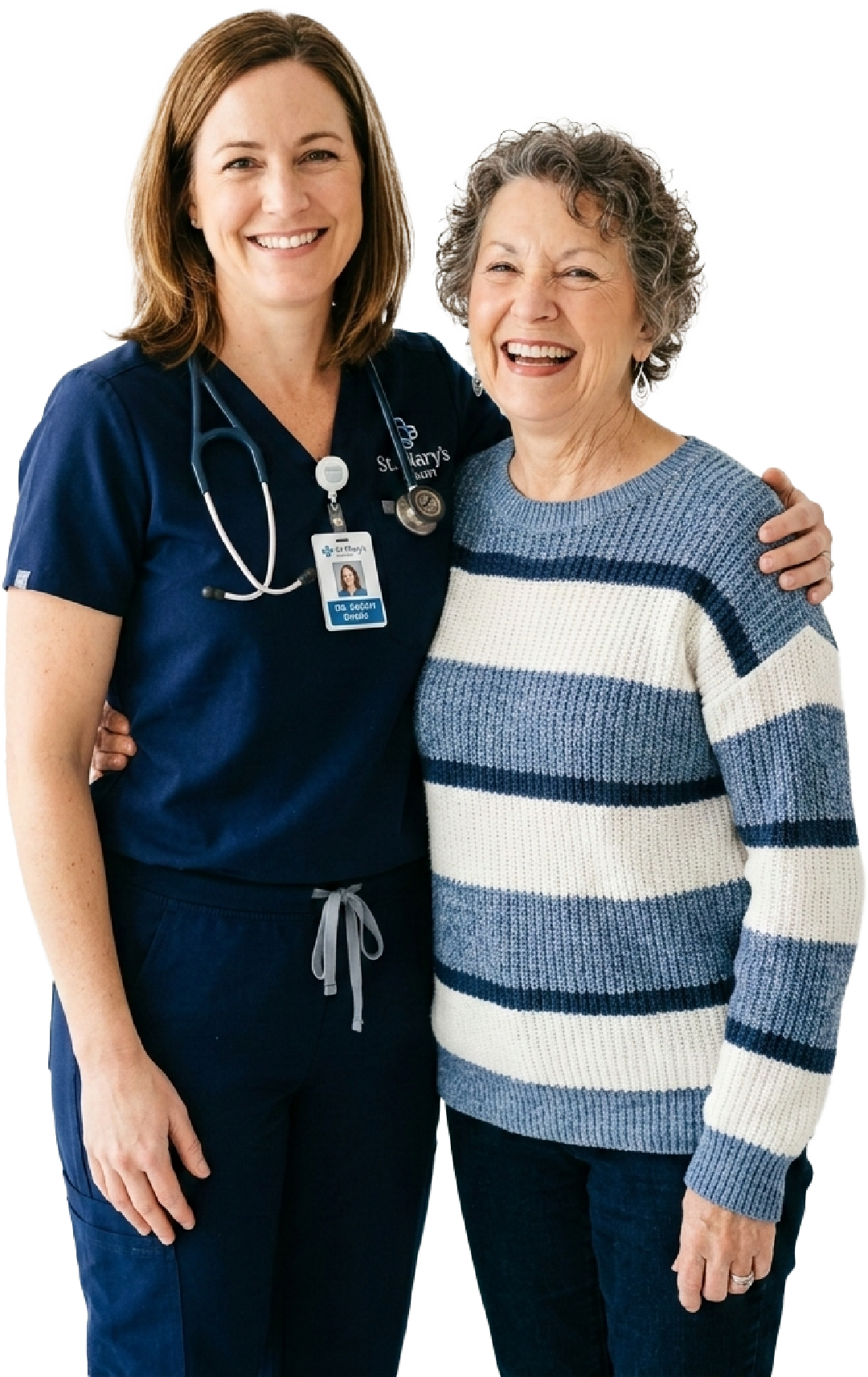
certified allergy patient with nurse

Expert Care For Pediatric Allergies In the Capital Region

Families trust Certified Allergy & Asthma Consultants for comprehensive pediatric allergy care. Our specialists help children:

  • Identify allergy triggers through testing
  • Develop personalized treatment plans
  • Manage seasonal and year-round allergy symptoms
  • Prevent severe allergic reactions

With early diagnosis and expert care, many children can successfully manage allergies and enjoy healthy, active lives.
Families trust Certified Allergy & Asthma Consultants for comprehensive pediatric allergy care. Our specialists help children:

  • Identify allergy triggers through testing
  • Develop personalized treatment plans
  • Manage seasonal and year-round allergy symptoms
  • Prevent severe allergic reactions

With early diagnosis and expert care, many children can successfully manage allergies and enjoy healthy, active lives.

This website is provided by Certified Allergy & Asthma Consultants for informational purposes only. It is not intended to provide specific medical advice. Specific medical advice can only be provided by a licensed medical practitioner through the establishment of a physician-patient relationship. The use of this website does not establish such a relationship. The information contained on this website is believed to be accurate, but its accuracy cannot be guaranteed and is subject to change. Reliance on any information obtained from this website is solely at your own risk.
© 2026 Certified Allergy & Asthma Consultants
Privacy Policies Financial Policies