Certified Allergy & Asthma Consultants

All locations will be closed on Monday, May 25th to celebrate Memorial Day.

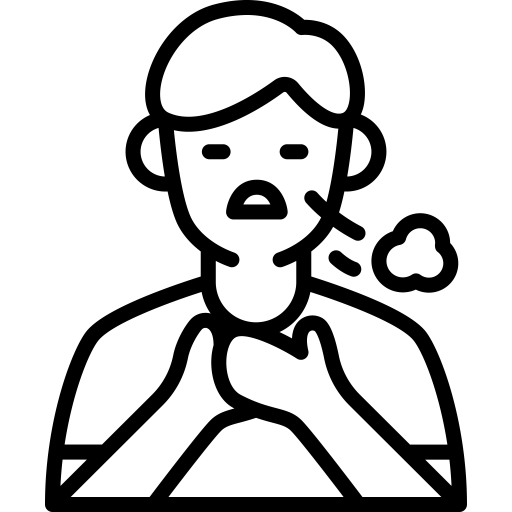
A chronic cough is a cough that lasts for an extended period of time and does not go away on its own. In adults, a cough is typically considered chronic if it lasts eight weeks or longer, while in children it may be considered chronic after four weeks.

At Certified Allergy & Asthma Consultants, we evaluate patients throughout New York’s Capital Region who experience persistent coughing that interferes with daily activities, sleep, or breathing comfort. Identifying the underlying cause of a chronic cough is essential for effective treatment.

Although coughing is a normal reflex that helps clear irritants from the airways, a cough that continues for weeks often indicates an underlying medical condition that requires evaluation and treatment.


What Is Chronic Cough?

Chronic cough refers to persistent coughing that continues for eight weeks or longer in adults.

While occasional coughing is normal and often occurs during respiratory infections, chronic cough typically persists long after a cold or illness has resolved.

In some cases, chronic cough may be caused by more than one condition occurring at the same time.

Chronic coughing can significantly affect quality of life and may lead to symptoms such as fatigue, throat irritation, and sleep disruption.

Common Symptoms of Chronic Cough

A chronic cough may occur alone or together with other symptoms depending on the underlying cause.

Common symptoms include:

  • Persistent coughing lasting several weeks or longer
  • Frequent throat clearing
  • Postnasal drip or sensation of mucus in the throat
  • Hoarseness or sore throat
  • Wheezing or shortness of breath
  • Heartburn or acid reflux symptoms

In severe cases, chronic coughing may cause dizziness, chest discomfort, or difficulty sleeping.

Common Causes of Chronic Cough

Chronic cough can result from several different medical conditions. The most common causes include:

Postnasal Drip (Upper Airway Cough Syndrome)

  • Postnasal drip occurs when excess mucus from the nose or sinuses drains down the back of the throat, triggering a cough reflex.
  • This condition may be caused by allergies, sinus infections, or chronic nasal inflammation.

Asthma

  • Asthma can cause chronic coughing, particularly at night or during exercise. In some individuals, cough may be the primary symptom of asthma, sometimes referred to as cough-variant asthma.


Gastroesophageal Reflux Disease (GERD)

  • Acid reflux occurs when stomach acid flows back into the esophagus and throat, irritating the airway and triggering coughing.

Respiratory Infections

  • Some infections can cause prolonged airway irritation that continues even after the infection has resolved.


Environmental Irritants

Exposure to smoke, air pollution, chemical fumes, or occupational irritants may trigger persistent coughing.

How Chronic Cough Is Diagnosed

Diagnosing chronic cough involves identifying the underlying cause of the symptom.

At Certified Allergy & Asthma Consultants, evaluation may include:

Medical History and Symptom Review

  • Your physician will review the duration of symptoms, possible triggers, and any associated respiratory or allergy symptoms.

Physical Examination

  • A physical exam may help identify signs of respiratory or sinus conditions.


Pulmonary Testing

  • Lung function testing such as spirometry may be performed to evaluate airway function.

Allergy Testing

  • Allergy testing may help determine whether environmental allergens are contributing to chronic cough.


Additional testing may be recommended depending on the suspected cause.

Treatment for Chronic Cough

Treatment for chronic cough focuses on addressing the underlying condition responsible for the cough.

Possible treatments may include:

Allergy Treatment

  • If allergies are contributing to postnasal drip or airway inflammation, treatment may include medications or allergy immunotherapy.

Asthma Management

  • Asthma-related cough may improve with inhaled medications that reduce airway inflammation.


Reflux Management

  • GERD-related cough may improve with dietary changes, medications, or lifestyle adjustments.

Environmental Controls

  • Reducing exposure to irritants such as smoke or allergens may help prevent cough triggers.


Once the underlying cause is identified and treated, most cases of chronic cough improve significantly.

Quick Links

Need Help? Call Us At

(518) 434-1446

Our staff can help you get started

Frequently Asked Questions About Chronic Cough


What qualifies as a chronic cough?
A cough is generally considered chronic if it lasts eight weeks or longer in adults or four weeks in children.

What are the most common causes of chronic cough?
The most common causes include postnasal drip, asthma, and gastroesophageal reflux disease (GERD).

Can allergies cause chronic cough?
Yes. Allergies can lead to postnasal drip and airway irritation that trigger persistent coughing.

When should I see a doctor for chronic cough?
You should seek medical evaluation if your cough lasts several weeks, interferes with sleep, or is accompanied by symptoms such as wheezing, shortness of breath, or coughing up blood.

How is chronic cough treated?
Treatment depends on the underlying cause and may include allergy treatment, asthma medications, reflux management, or environmental changes.

certified allergy patient with nurse

Expert Care For Chronic Cough In the Capital Region

Patients trust Certified Allergy & Asthma Consultants for comprehensive evaluation of persistent respiratory symptoms.

Our specialists help patients:

  • Identify underlying causes of chronic cough
  • Evaluate asthma or allergy-related cough
  • Perform diagnostic testing such as spirometry and allergy testing
  • Develop personalized treatment plans to relieve symptoms

With proper diagnosis and targeted treatment, many patients can achieve lasting relief from chronic coughing.

This website is provided by Certified Allergy & Asthma Consultants for informational purposes only. It is not intended to provide specific medical advice. Specific medical advice can only be provided by a licensed medical practitioner through the establishment of a physician-patient relationship. The use of this website does not establish such a relationship. The information contained on this website is believed to be accurate, but its accuracy cannot be guaranteed and is subject to change. Reliance on any information obtained from this website is solely at your own risk.
© 2026 Certified Allergy & Asthma Consultants
Privacy Policies Financial Policies