Now Recruiting for a Physician Allergist & Immunologist: Click Here To Learn More
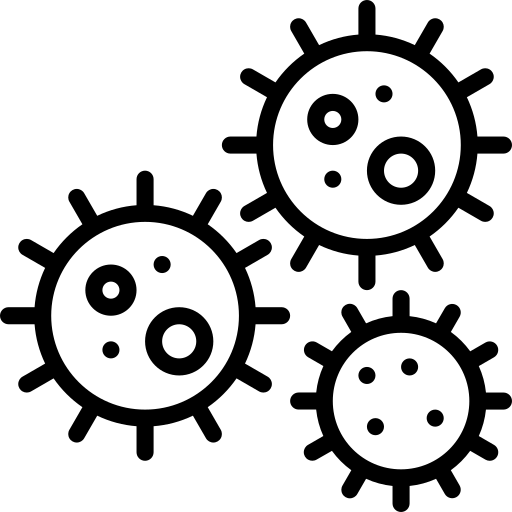
Mold allergies are a common cause of respiratory allergy symptoms in both children and adults. Mold spores are microscopic particles released by fungi that grow in damp environments. When these spores become airborne and are inhaled, they can trigger allergic reactions in people who are sensitive to them.
At Certified Allergy & Asthma Consultants, we help patients throughout New York’s Capital Region identify mold allergy triggers and develop effective treatment plans to reduce symptoms and improve daily comfort.
Mold can grow both indoors and outdoors, particularly in damp or humid environments such as basements, bathrooms, crawl spaces, soil, leaves, and compost piles. Exposure to mold spores may cause allergy symptoms similar to other environmental allergies such as pollen or dust mites.
Understanding where mold is commonly found and how to reduce exposure can help prevent symptoms and improve quality of life.
A mold allergy occurs when the immune system reacts to mold spores as if they were harmful substances. When a sensitive person inhales these spores, the immune system releases chemicals that cause inflammation and allergy symptoms.
Mold is a type of fungus that exists almost everywhere in the environment. Mold grows best in warm, damp conditions, both indoors and outdoors. Some of the most common molds that cause allergic reactions include:
Unlike seasonal pollen allergies, mold allergies can cause symptoms throughout the entire year, especially in environments with high humidity.
Mold allergy symptoms are similar to those seen in other types of respiratory allergies.
Proper diagnosis helps determine whether mold exposure is responsible for a patient’s allergy symptoms. At Certified Allergy & Asthma Consultants, evaluation may include:
Testing can identify the specific molds responsible for allergic reactions and guide treatment recommendations.
Reducing exposure to mold spores is one of the most important steps in controlling mold allergy symptoms.
Helpful strategies may include:
Reducing mold growth in the home can significantly decrease airborne spores and improve allergy symptoms.
When environmental control measures alone are not enough, medical treatment may help relieve symptoms.
Treatment options may include:
Your allergist will determine whether immunotherapy is an appropriate treatment based on allergy testing and symptom severity.

Patients trust Certified Allergy & Asthma Consultants for comprehensive diagnosis and treatment of environmental allergies, including mold allergies. Our specialists help patients:
With expert evaluation and treatment, many patients experience significant improvement in their allergy symptoms and overall respiratory health.