Certified Allergy & Asthma Consultants

All locations will be closed on Monday, May 25th to celebrate Memorial Day.

Food Allergy Treatment in the Capital Region

Food allergies can cause a wide range of symptoms, from mild skin irritation to severe, life-threatening reactions. Even small amounts of certain foods can trigger an immune response in sensitive individuals.

At Certified Allergy & Asthma Consultants, we help patients throughout New York’s Capital Region identify food allergy triggers and develop personalized treatment plans to safely manage their condition.

Food allergies occur when the immune system mistakenly identifies a food protein as harmful and releases chemicals that cause allergic symptoms. Reactions may occur within minutes after eating the food and can range from mild discomfort to severe reactions requiring emergency treatment.

Understanding the symptoms of food allergies and working with an allergist to identify triggers can help patients reduce risks and improve daily quality of life.

What Are Food Allergies

A food allergy occurs when the immune system reacts to specific proteins found in certain foods. These immune reactions can trigger inflammation and allergic symptoms throughout the body.

Food allergies can develop in both children and adults. While some childhood allergies may be outgrown over time, others can persist throughout life.

The most common food allergens in the United States include:

  • Milk
  • Eggs
  • Peanuts
  • Tree nuts
  • Wheat
  • Soy
  • Fish
  • Shellfish
  • Sesame

These foods account for the majority of allergic reactions.

Common Symptoms Of Food Allergies

Symptoms of food allergies usually appear within minutes to two hours after eating the trigger food and can vary from person to person.

Skin Symptoms

  • Hives or itchy skin rash
  • Swelling of the lips, face, or tongue
  • Red or flushed skin

Digestive Symptoms

  • Nausea or vomiting
  • Abdominal cramps
  • Diarrhea

Respiratory Symptoms

  • Coughing or wheezing
  • Nasal congestion
  • Difficulty breathing

Circulatory Symptoms

  • Dizziness or lightheadedness
  • Drop in blood pressure
  • Fainting

In some cases, food allergies can trigger anaphylaxis, a severe allergic reaction that requires immediate medical treatment.

How Food Allergies Are Diagnosed

Proper diagnosis is important because many conditions — such as food intolerance or digestive disorders — can cause symptoms similar to food allergies. At Certified Allergy & Asthma Consultants, evaluation may include:

  • Detailed medical history and symptom review
  • Allergy skin testing
  • Blood testing to measure allergy antibodies
  • Supervised food challenge testing when appropriate

Identifying the specific foods responsible for symptoms allows your allergist to create an effective management plan.

Managing Food Allergies

The most effective way to manage a food allergy is strict avoidance of the food that triggers the reaction. Helpful strategies include:

Daily Prevention

  • Carefully reading food labels
  • Asking about ingredients when dining out
  • Avoiding cross-contamination in food preparation

Emergency Preparedness

  • Carrying an epinephrine auto-injector if prescribed
  • Having an allergy action plan
  • Informing family members, schools, or caregivers about the allergy


Medical Treatment For Food Allergies

While there is currently no cure for food allergies, medical management can help control symptoms and reduce risk. Treatment options may include:
Medications

  • Antihistamines to relieve mild symptoms
  • Epinephrine auto-injectors or epinephrine nasal spray for emergency treatment of severe reactions

Allergy Monitoring

  • Regular follow-up with an allergist allows your care team to monitor allergies and determine whether certain allergies may improve over time.


Quick Links

Need Help? Call Us At

(518) 434-1446

Our staff can help you get started

Frequently Asked Questions About Food Allergies


What is the difference between a food allergy and food intolerance?
A food allergy involves the immune system reacting to a food protein, while a food intolerance usually involves digestive problems and does not trigger the immune system.

How quickly do food allergy symptoms occur?
Symptoms often begin within minutes after eating the trigger food, though some reactions may occur up to two hours later.

Can food allergies cause severe reactions?
Yes. Food allergies are a leading cause of anaphylaxis, a potentially life-threatening allergic reaction.

Can children outgrow food allergies?
Some children outgrow allergies to foods such as milk, egg, soy, or wheat, though others — such as peanut or tree nut allergies — may persist into adulthood.

When should I see an allergist for food allergies?
If you suspect that certain foods are causing allergic reactions, an allergist can perform testing and develop a plan to help manage your symptoms safely.

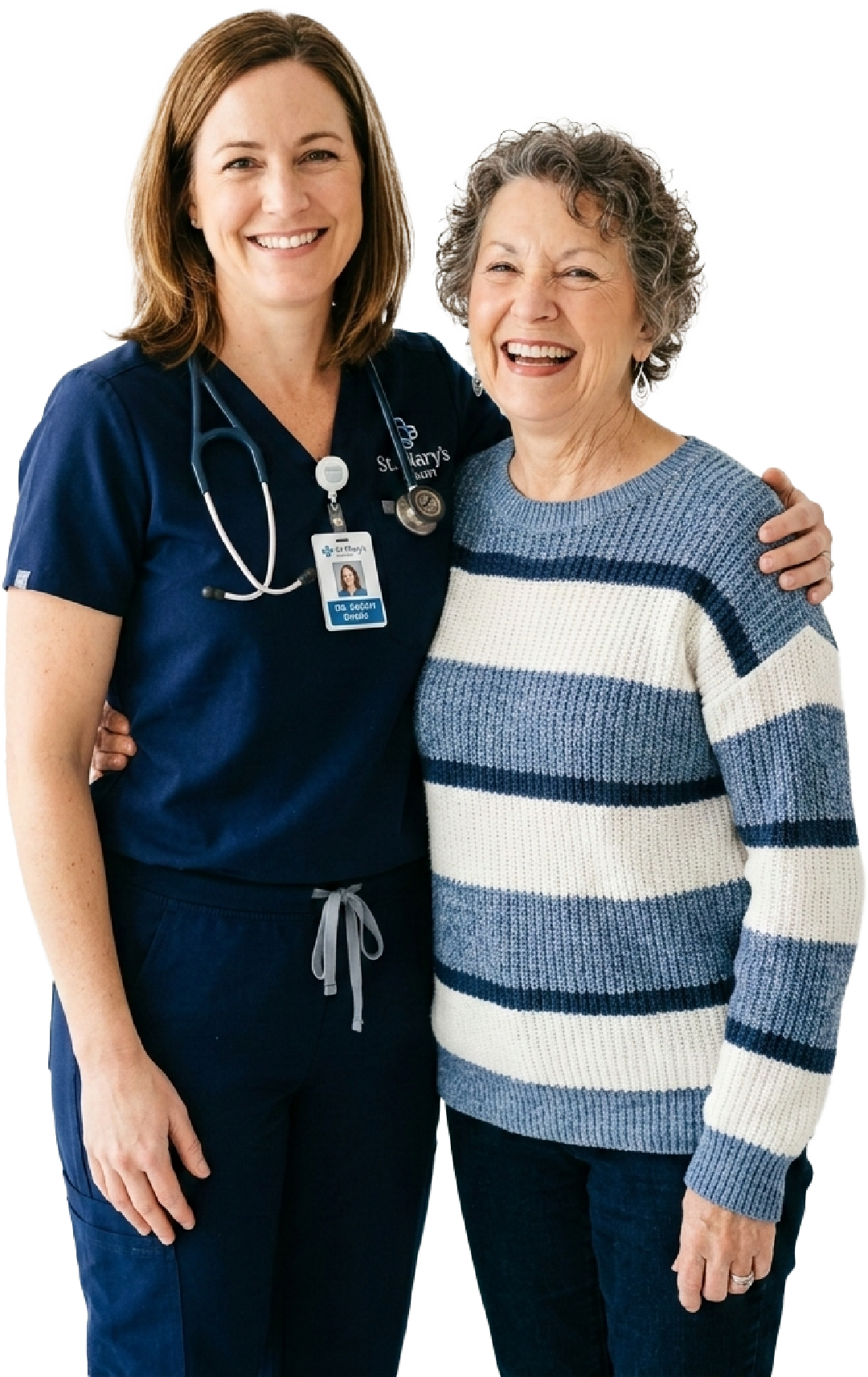
certified allergy patient with nurse

Expert Care For Food Allergies In the Capital Region

Patients trust Certified Allergy & Asthma Consultants for comprehensive diagnosis and treatment of food allergies. Our specialists help patients:

  • Identify food allergy triggers through testing
  • Develop personalized allergy management plans
  • Learn how to avoid allergens and prevent reactions
  • Manage severe allergies safely with appropriate medications

With expert care and education, patients with food allergies can safely manage their condition and maintain a healthy lifestyle.

Patients trust Certified Allergy & Asthma Consultants for comprehensive diagnosis and treatment of food allergies. Our specialists help patients:

  • Identify food allergy triggers through testing
  • Develop personalized allergy management plans
  • Learn how to avoid allergens and prevent reactions
  • Manage severe allergies safely with appropriate medications

With expert care and education, patients with food allergies can safely manage their condition and maintain a healthy lifestyle.
This website is provided by Certified Allergy & Asthma Consultants for informational purposes only. It is not intended to provide specific medical advice. Specific medical advice can only be provided by a licensed medical practitioner through the establishment of a physician-patient relationship. The use of this website does not establish such a relationship. The information contained on this website is believed to be accurate, but its accuracy cannot be guaranteed and is subject to change. Reliance on any information obtained from this website is solely at your own risk.
© 2026 Certified Allergy & Asthma Consultants
Privacy Policies Financial Policies