Now Recruiting for a Physician Allergist & Immunologist: Click Here To Learn More

Angioedema is a condition that causes sudden swelling in the deeper layers of the skin or tissues beneath the skin. The swelling most often affects areas such as the lips, eyelids, face, hands, feet, or throat.
At Certified Allergy & Asthma Consultants, we evaluate and treat patients throughout New York’s Capital Region who experience episodes of unexplained swelling or recurrent angioedema. Identifying the underlying cause is important for preventing future episodes and reducing the risk of serious complications.
Angioedema may occur as part of an allergic reaction, as a side effect of certain medications, or due to underlying medical conditions. In some cases, it occurs alongside hives (urticaria), while in others it occurs on its own.
Although many cases are mild, swelling involving the tongue o
Angioedema refers to swelling that occurs beneath the skin due to fluid leaking from small blood vessels into surrounding tissues.
The swelling typically develops quickly and may last from several hours to a few days before resolving.
Common areas affected include:
In some cases, swelling may also affect internal organs such as the gastrointestinal tract, which can cause abdominal pain or nausea.
Angioedema may occur by itself or together with hives, which appear as raised itchy welts on the surface of the skin.
Symptoms typically involve sudden swelling of the deeper layers of the skin and surrounding tissues.
Common symptoms include:
Swelling often develops over minutes to hours and may persist for up to several days.
Angioedema can occur for several different reasons. Identifying the cause is an important step in treatment.
This form occurs as part of an allergic reaction and may develop after exposure to allergens such as:
Allergic angioedema is usually associated with hives and itching.
Diagnosis begins with a detailed review of symptoms, medical history, and potential triggers.
Treatment depends on the underlying cause of the swelling and the severity of symptoms.
Medications may include:
Immediate medical attention is necessary if angioedema causes:
These symptoms may indicate anaphylaxis or airway obstruction, which requires urgent treatment.
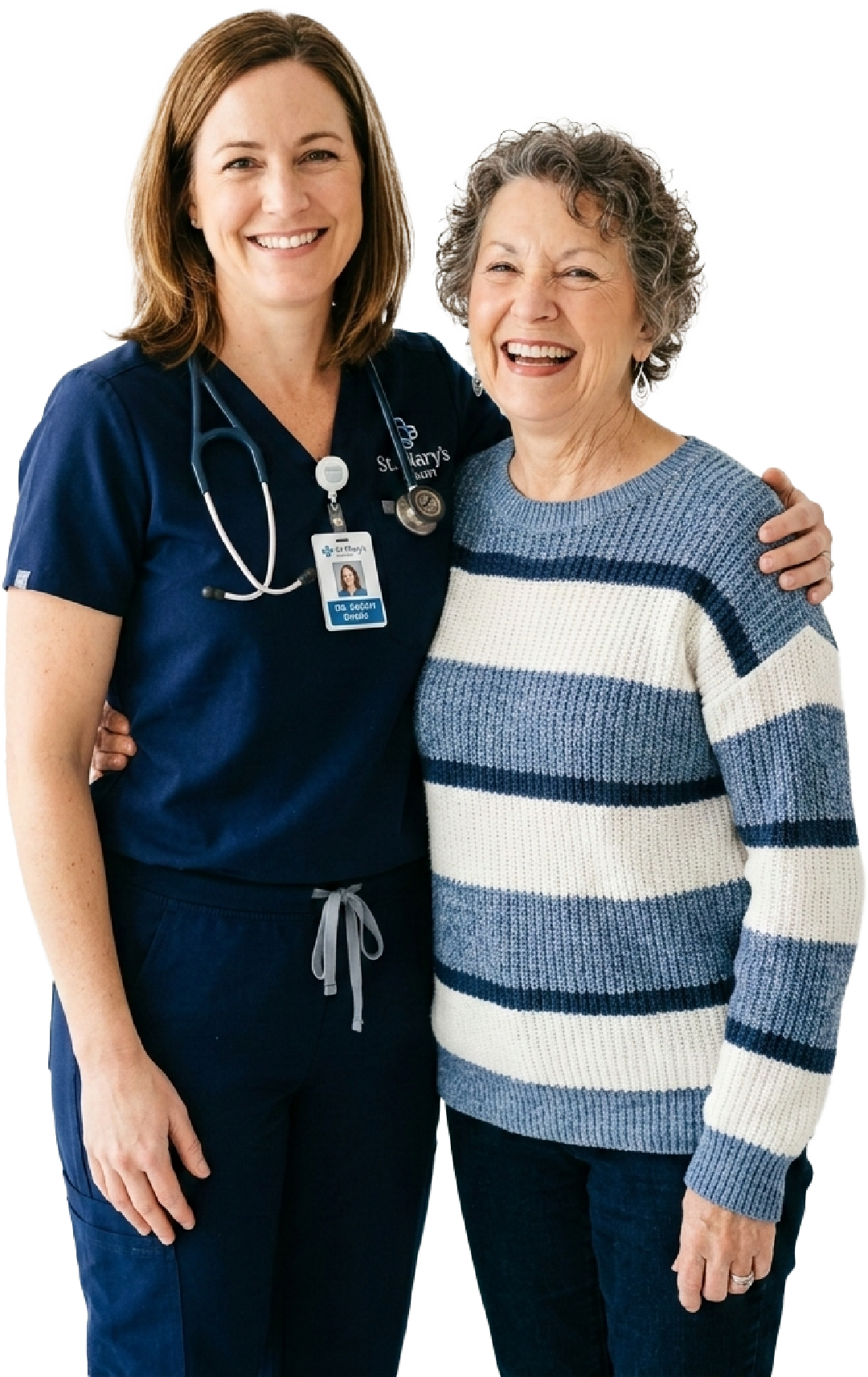
Patients trust Certified Allergy & Asthma Consultants for evaluation and treatment of angioedema and other allergic conditions.
Our specialists help patients:
With proper diagnosis and treatment, many patients can successfully control angioedema and reduce the risk of future episodes.