Certified Allergy & Asthma Consultants

All locations will be closed on Monday, May 25th to celebrate Memorial Day.
Primary Immunodeficiency Diseases in the Capital Region

Primary immunodeficiency diseases (PIDDs) are a group of rare disorders in which part of the immune system does not function properly. These conditions make it harder for the body to fight infections and may lead to frequent or severe illnesses.

At Certified Allergy & Asthma Consultants, we evaluate patients who experience frequent infections, unusually severe illnesses, or other symptoms that may suggest an underlying immune system disorder.

Primary immunodeficiency diseases are usually genetic conditions present from birth, although symptoms may not appear until childhood or even adulthood.

Early diagnosis is important because appropriate treatment can help reduce infections, protect long-term health, and improve quality of life.

What Are Primary Immunodeficiency Diseases?

Primary immunodeficiency diseases are conditions in which parts of the immune system are missing or do not function properly, reducing the body’s ability to fight bacteria, viruses, and other pathogens.

There are hundreds of different types of primary immunodeficiency disorders, each affecting the immune system in different ways.

These conditions may involve problems with:

  • B cells, which produce antibodies
  • T cells, which help coordinate immune responses
  • Phagocytes, which destroy invading microorganisms
  • Complement proteins, which assist immune defenses

When these components do not function properly, the body becomes more vulnerable to infections and other immune-related problems.


Symptoms of Primary Immunodeficiency

The most common sign of primary immunodeficiency is frequent or severe infections that occur more often than expected.

Possible symptoms include:

  • Recurrent sinus infections or pneumonia
  • Frequent ear infections
  • Persistent or severe respiratory infections
  • Infections that require multiple courses of antibiotics
  • Poor growth or unexplained weight loss in children
  • Enlarged lymph nodes or spleen
  • Recurrent skin or organ abscesses

People with primary immunodeficiency may also develop allergies, asthma, or autoimmune conditions because of the underlying immune system dysfunction.

Types of Primary Immunodeficiency Diseases

Primary immunodeficiency includes many different conditions, which vary widely in severity.

Some common examples include:

Antibody Deficiencies

  • These conditions involve problems producing antibodies that help protect against infections.

Combined Immune Deficiencies

  • Both B cells and T cells are affected, leading to significant immune dysfunction.


Phagocyte Disorders

  • These conditions affect white blood cells that normally destroy bacteria and other pathogens.

Complement Deficiencies

  • Problems with complement proteins can interfere with the immune system’s ability to attack microbes.


Some forms of primary immunodeficiency appear in infancy, while others may not be diagnosed until adulthood.

How Primary Immunodeficiency Is Diagnosed

Diagnosing primary immunodeficiency begins with a careful evaluation of symptoms and medical history.

At Certified Allergy & Asthma Consultants, evaluation may include:

Medical History and Symptom Review

  • Your physician will review patterns of infections and family history.

Laboratory Testing

  • Blood tests can measure immune system components, including antibody levels and immune cell function.


Vaccination Response Testing

  • Doctors may evaluate how well the immune system responds to vaccines.

Additional Evaluation

  • Depending on the findings, additional testing or referral to specialists may be recommended.


Accurate diagnosis is essential for developing an effective treatment plan.

Treatment for Primary Immunodeficiency

Treatment focuses on preventing infections, supporting the immune system, and managing symptoms.

Immunoglobulin Replacement Therapy

Many patients with antibody deficiencies benefit from immunoglobulin (Ig) replacement therapy, which provides the antibodies the body is unable to produce. This therapy can be given:

  • Intravenously (IVIG)
  • Subcutaneously (SCIG)

Preventing and Treating Infections

Patients may require:

  • Prompt treatment of infections
  • Preventive antibiotics or antiviral medications
  • Regular monitoring by healthcare providers


Advanced Therapies

In certain cases, additional treatments may be recommended, including:

  • Stem cell transplantation
  • Gene therapy for specific genetic conditions
  • Your physician will recommend treatment based on the specific type and severity of the condition.

When to Consider Evaluation for Immune Deficiency

You may benefit from evaluation if you experience:
  • Frequent or severe infections
  • Infections that are difficult to treat
  • Recurrent pneumonia or sinus infections
  • A family history of immune disorders
  • Persistent infections despite appropriate treatment
  • Early recognition of immune deficiency can help prevent complications and improve long-term health outcomes.


Quick Links

Need Help? Call Us At

(518) 434-1446

Our staff can help you get started

Frequently Asked Questions About Primary Immunodeficiency Diseases


What causes primary immunodeficiency?
Primary immunodeficiency diseases are usually caused by genetic defects that affect the immune system’s development or function.

How common are these conditions?
Primary immunodeficiency disorders are considered rare, but hundreds of different types have been identified worldwide.

What is the most common symptom?
Frequent or severe infections—particularly respiratory infections—are the most common sign.

Can primary immunodeficiency be treated?
While many conditions cannot be cured, treatments such as immunoglobulin therapy and infection prevention can significantly improve outcomes.

When should I see an allergist or immunologist?
If you or your child experience frequent infections or unusual illness patterns, evaluation by an allergy and immunology specialist can help determine whether an immune deficiency is present.

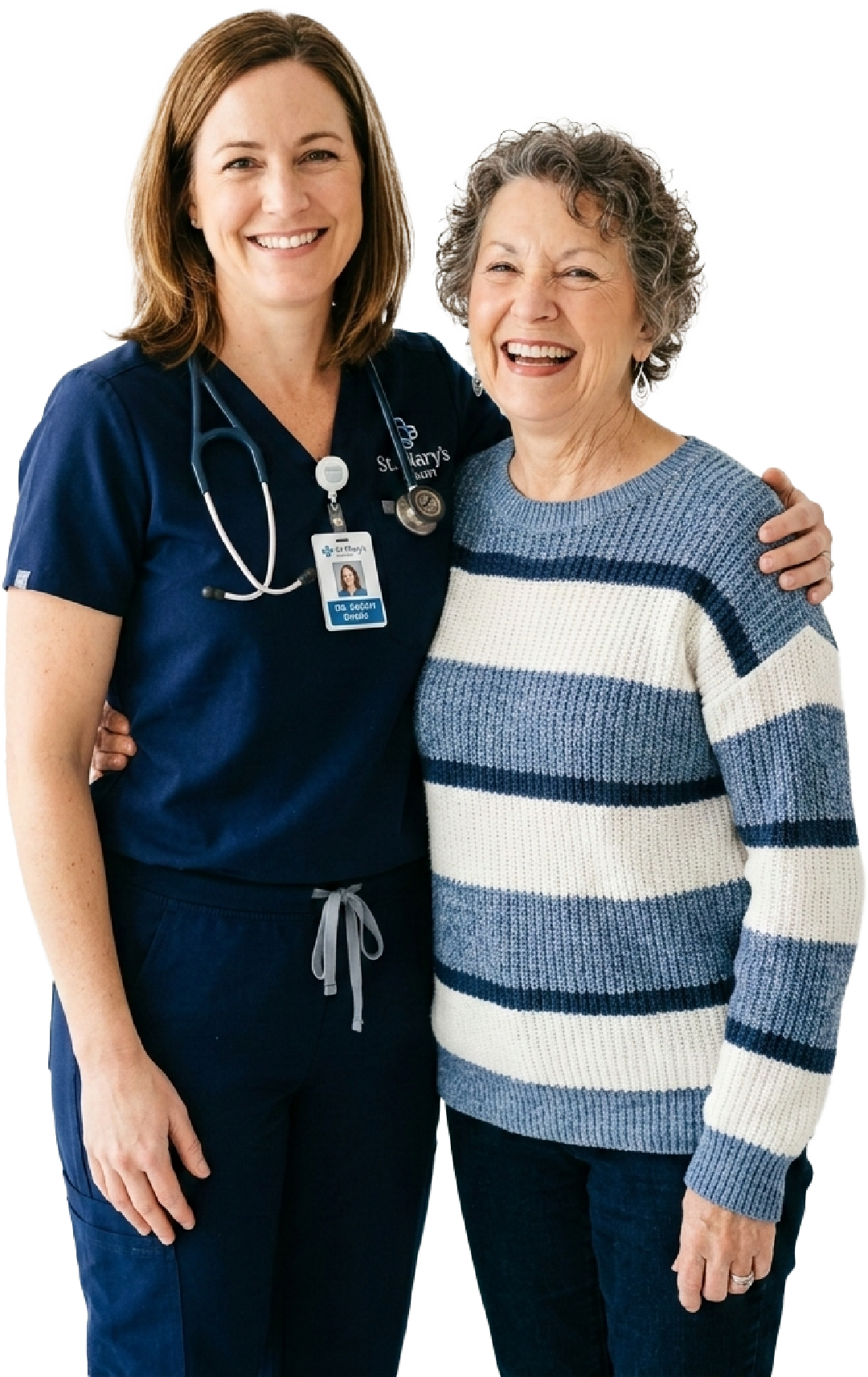
certified allergy patient with nurse

Expert Care For Primary Immunodeficiency Diseases In the Capital Region

Patients trust Certified Allergy & Asthma Consultants for evaluation of complex immune system conditions.

Our specialists help patients:

  • Evaluate recurrent infections and immune system concerns
  • Perform diagnostic immune system testing
  • Develop personalized treatment plans
  • Coordinate care with other specialists when needed

With proper diagnosis and management, many individuals with primary immunodeficiency can lead healthy, active lives.
Related Conditions

Related Services

This website is provided by Certified Allergy & Asthma Consultants for informational purposes only. It is not intended to provide specific medical advice. Specific medical advice can only be provided by a licensed medical practitioner through the establishment of a physician-patient relationship. The use of this website does not establish such a relationship. The information contained on this website is believed to be accurate, but its accuracy cannot be guaranteed and is subject to change. Reliance on any information obtained from this website is solely at your own risk.
© 2026 Certified Allergy & Asthma Consultants
Privacy Policies Financial Policies