All locations will be closed on Monday, May 25th to celebrate Memorial Day.
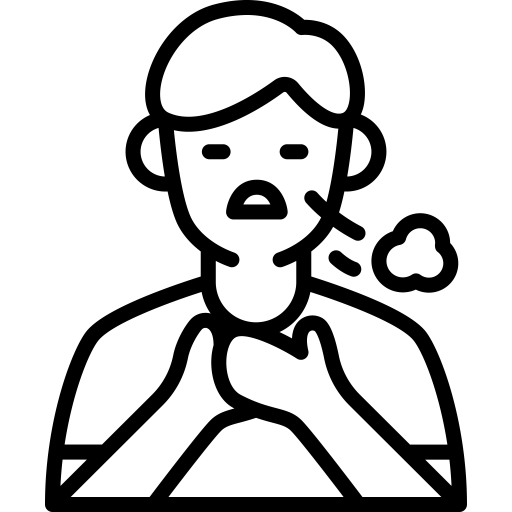
Severe allergic reactions can be frightening, especially when they happen suddenly and without warning. Anaphylaxis is the most serious type of allergic reaction and requires immediate medical attention. Knowing how to recognize the symptoms and what to do in an emergency can make a life-saving difference.
Anaphylaxis is a severe and potentially life-threatening allergic reaction that can occur within minutes after exposure to an allergen such as certain foods, medications, insect stings, or latex. The reaction can affect breathing, blood pressure, and multiple organ systems, making immediate treatment with epinephrine and emergency medical care essential.
Patients who have experienced severe allergic reactions should work with an allergist to identify triggers and develop a personalized emergency action plan.
At Certified Allergy & Asthma Consultants, we help patients and families throughout New York’s Capital Region understand their allergy risks and learn how to safely manage them. Our board-certified allergy specialists diagnose and treat conditions that can lead to severe allergic reactions, including food allergies, medication allergies, insect sting allergies, and other immune system sensitivities.
Anaphylaxis can involve the skin, respiratory system, cardiovascular system, and digestive tract. Symptoms may include:
Skin Symptoms
Breathing Symptoms
Circulatory Symptoms
Gastrointestinal Symptoms
Symptoms can appear quickly and may worsen within minutes. In severe cases, anaphylaxis can lead to loss of consciousness or cardiac arrest, making immediate medical attention essential.
If someone is experiencing symptoms of anaphylaxis, take action immediately.
Call 911 right away. Anaphylaxis is a medical emergency and requires prompt treatment.
If the person has a prescribed epinephrine auto-injector or epinephrine nasal spray, administer it immediately.
If possible, have the individual lie flat with their legs elevated. If they are vomiting or having difficulty breathing, place them on their side.
Keep the person comfortable and warm while waiting for emergency responders.
If the person stops breathing or becomes unresponsive, CPR may be necessary until medical professionals arrive.
Even if symptoms improve after epinephrine is administered, medical evaluation in an emergency department is still necessary.
Some individuals experience a biphasic reaction, meaning symptoms can return hours after the initial episode.
Emergency medical teams may provide additional treatments such as:
Proper evaluation helps ensure the reaction is fully controlled.
Our goal is not only to treat allergic conditions, but also to give patients and families the knowledge and confidence to respond quickly and effectively if an allergic emergency occurs.
Understanding the warning signs of anaphylaxis and knowing when to seek medical care are essential steps in protecting your health.
If you are at risk for severe allergic reactions, prevention and preparation are essential.
Recommended strategies include:
At Certified Allergy & Asthma Consultants, our specialists provide comprehensive evaluation and testing to help identify triggers and reduce the risk of severe allergic reactions.

Patients trust Certified Allergy & Asthma Consultants for specialized allergy and asthma care. Our team works with both children and adults to:
Our goal is to help patients live confidently while minimizing the risk of severe allergic reactions.